The Scarcity-Conflict Nexus
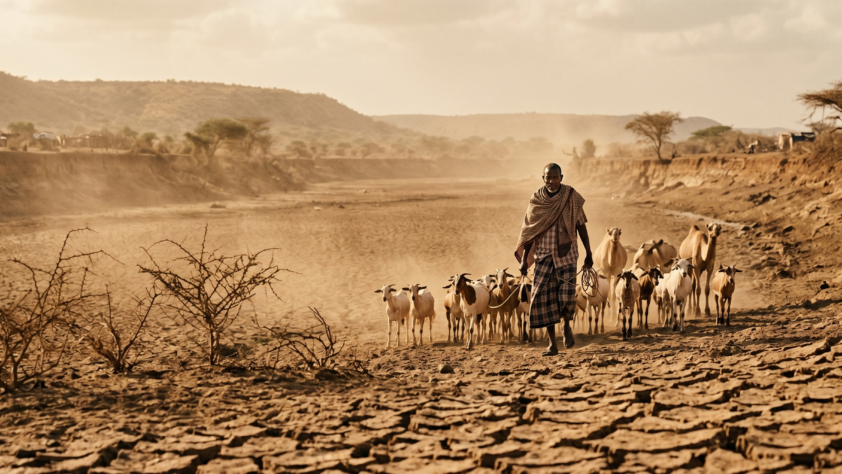
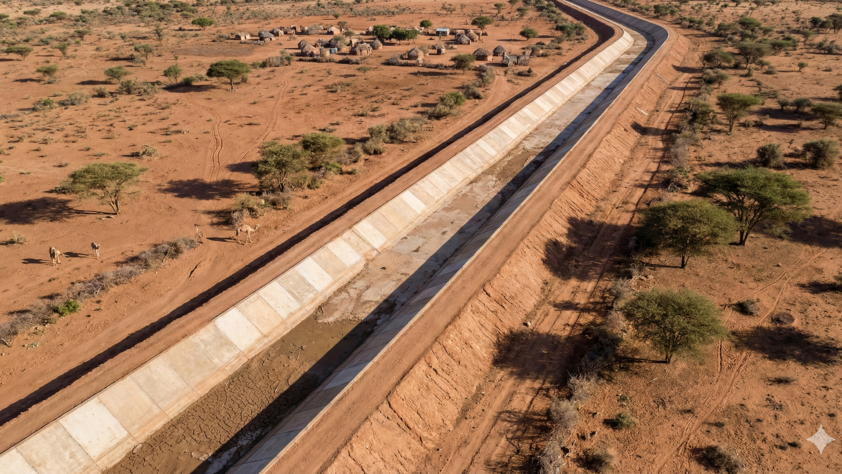
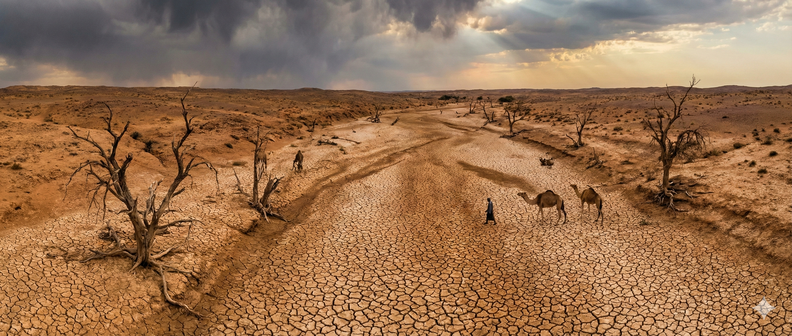
The increasing scarcity of viable grazing land and water in Somalia has become a primary driver of local conflict between communities and clans. Climate change and resource degradation intensify this tension, creating a complex humanitarian challenge. At HESS, we believe that lasting peace is only possible when communities are empowered to manage their shared natural assets sustainably. We move beyond quick fixes to implement durable Integrated Natural Resource Management (INRM) models that build local governance and social cohesion.
Before HESS, arguments over grazing land and water access were a daily reality..
Local Resource Management Committee Head
1. The HESS Participatory Approach
Sustainable solutions must be owned by the communities they serve. HESS acts as an expert facilitator, guiding communities through discovery and planning rather than delivering pre-packaged solutions.
- Informed Consent: We are committed to the principle of Free, Prior and Informed Consent (FPIC), ensuring communities are fully informed and can freely grant consent for any project affecting their resources.
- Participatory Rural Appraisal (PRA): Our Community Engagement Specialists use PRA tools to help communities map their own resources, analyze social dynamics, and prioritize solutions based on their immediate needs and local knowledge.
- Conflict-Sensitive Design: All our programming is designed to be conflict-sensitive, involving thorough conflict analyses to understand local tensions and ensure our interventions “do no harm”.
2. Building Governance: The INRM Model
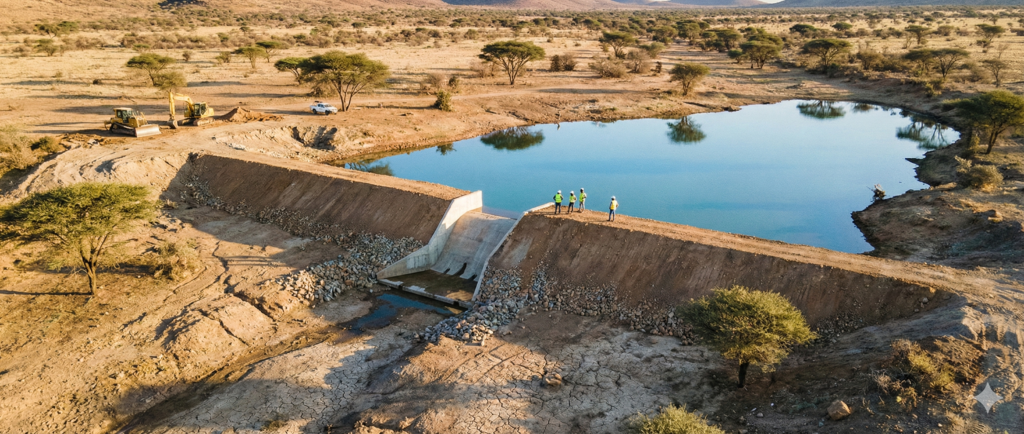
Our INRM approach centers on establishing new, inclusive local governance structures to manage shared assets, providing the framework needed to mediate disputes over resources.
- Comprehensive Assessments: The process begins with participatory natural resource assessments to map existing resources and identify the root causes of degradation and conflict.
- Committee Formation: We facilitate the formation of representative local resource management committees for watersheds and landscapes, ensuring all relevant stakeholders—including women and youth—are included.
- Capacity Building: We conduct intensive training to build the committee’s capacity in governance, conflict mediation, and sustainable management practices.
- Management Plans: The final output is a comprehensive, community-based management plan that details resource use, conservation rules, and is owned by the community itself.
3. Case Study in Action: Lower Shabelle & Cadaado
Our proven experience in the field demonstrates the effectiveness of this approach in transforming scarcity into shared prosperity.
Impact: These initiatives helped de-escalate active conflicts and established local, peaceful mechanisms for preventing future resource-based disputes, ensuring communities are better equipped to withstand climatic shocks.si.
Lower Shabelle INRM: HESS pioneered a community-led INRM model in Lower Shabelle to improve the management of shared rangelands and forest patches. This established a sustainable local governance framework.
Cadaado Conflict Resolution: We provided expertise to de-escalate resource-based conflicts by facilitating multi-stakeholder dialogue forums that brought together elders, youth, and women to find common ground.